

ADHD in Adult Women Symptoms
ADHD symptoms can make it difficult for women to manage work, family and home. A diagnosis and treatment can help improve your quality of life.
The symptoms can include a lack of appointments, forgetting important dates, and being late. They can also cause financial problems and relationship problems. Changes in mood and impulse spending can be especially hard for women to manage.
Inattentiveness
Women who have the inattention-deficit kind of ADHD might have trouble keeping the track of their tasks, which can result in careless mistakes that can have major repercussions. For example, missing an appointment or forgetting a person's name at a gathering may seem minor to kids but for adults, it can be frustrating and embarrassing.
The hyperactive and impulsive ADHD symptoms are more common in men and boys, while the inattentive ADHD symptoms are more common in women and girls. For this reason, a woman's symptoms may go unnoticed and go undiagnosed. It can be difficult for her to concentrate during college classes or remain focused during meetings at work. She might have a messy house or have difficulty manage household chores and finances. It is also possible that she has difficulty remembering appointments or becoming angry with family and friends members.
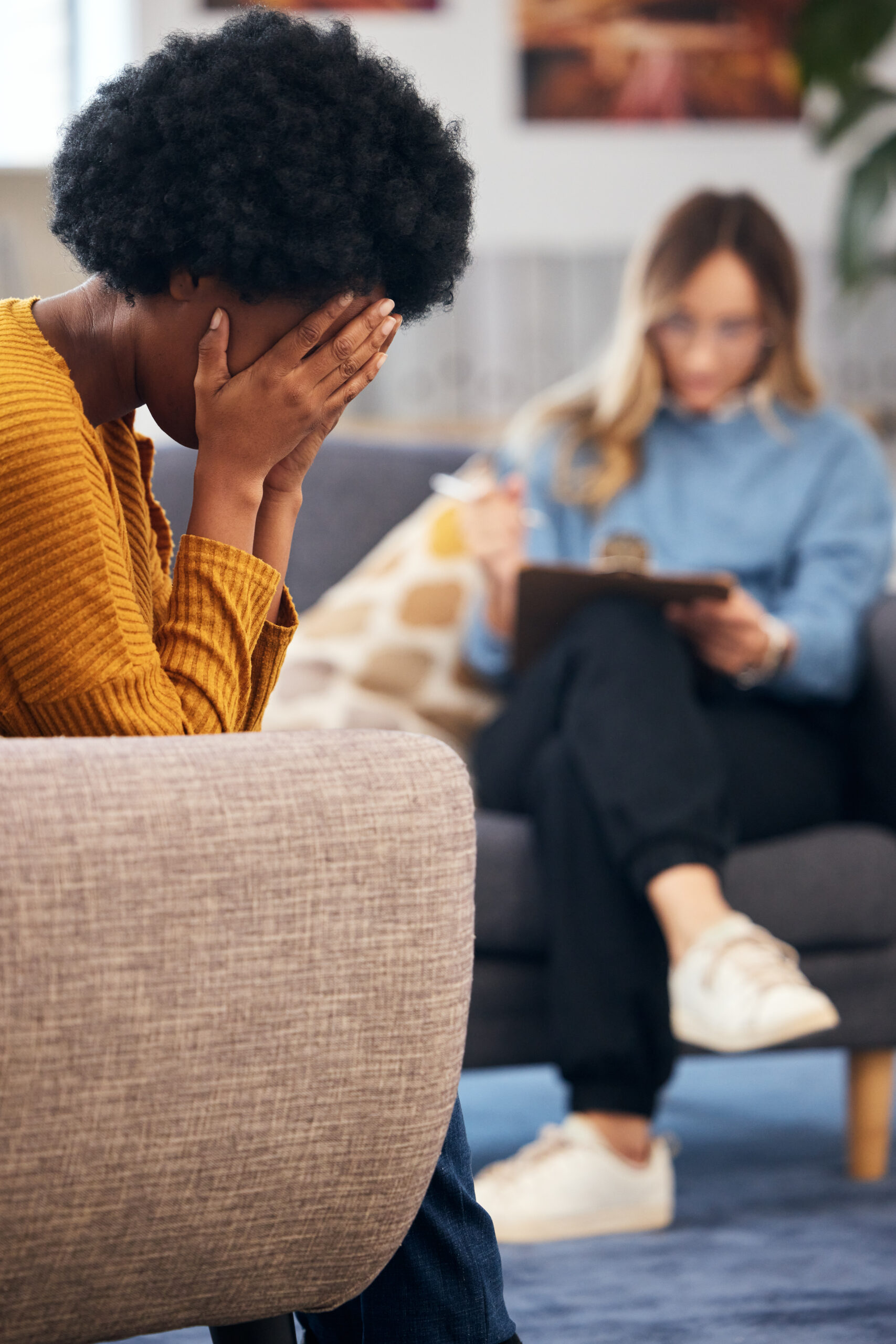
The lack of attention to symptoms of ADHD can increase the frustration and confusion with romantic partners as well as friends and colleagues. This can lead to tensions and conflicts especially if the issues are interpreted by others as lack of or disinterest. It's also important to recognize that women with ADHD often suffer from comorbid disorders like depression and anxiety. In these situations therapy can assist them in understanding the difficulties of one another and practice effective communication skills.
Finding a therapist who has experience working with ADHD in girls and women is the first step. Having this expertise will increase the probability of being diagnosed and provide much-needed support. Therapy options include cognitive behavioral therapy (CBT) that teaches people to accept their thoughts and feelings, while swapping negative thinking patterns for healthier ones. Meditation and mindfulness can help improve concentration and attention, and reduce impulsivity.
Impulsivity
Women suffering from ADHD struggle to manage their impulses. This can result in an abundance of emotional turmoil at home and at work especially when they're struggling to keep up with household chores, or juggling financial responsibilities. It can also cause them to skip doctor appointments, fail to take medications or disregard other health concerns. In some instances, an impulsive behavior can lead to self-injury, like cutting or burning. They may also have difficulty maintaining relationships due to their tendency to overreact when they perceive rejection or other negative events.
As a result they might feel a feeling of shame and failure when it comes down to interpersonal interactions. They're also more likely have an antecedent of early sexual activities, casual sexual sex, and unprotected sexual sex than those who don't have ADHD. Women who have a history of ADHD might also be afflicted with co-occurring mental illnesses like anxiety or depression. This could make it difficult to control their excessive impulsivity.
Hormone changes can impact symptoms throughout a woman's lifetime. Women's ADHD symptoms may be improved during pregnancy due to the increase in estrogen. They can also become worse during menopausal perimenopausal which is the period leading up to menopausal symptoms when estrogen levels drop.
Getting a diagnosis and receiving treatment can be helpful for women at any age. In fact, more females than ever before are discovering they suffer from ADHD as adults. This could be because of a desire for women to address issues that have been lingering for a long time, or new diagnostic criteria which are more inclusive of symptoms and experiences of women. A therapist can assist you to discover ways to manage your symptoms and develop healthier strategies for coping. They can also offer support if you're having relationship or family problems.
Disorganization
Women with ADHD often struggle to manage everyday life. They may struggle to manage work and home, or keeping track of their bills and appointments. Also, add test for women may be more likely than other people to forget important details or miss deadlines. Their lapses of concentration can cause confusion and frustration for family members, colleagues, and friends.
These issues are usually caused by the inability to control your emotions and an insufficient amount of sleep. These issues can become more severe in a relationship where communication difficulties are often the cause of misunderstandings and disagreements. Women can also have difficulty deal with the demands of parenting, particularly if they have children with ADHD.
The signs of ADHD can be confused with other conditions and, in particular, depression and anxiety. Restlessness and moodiness can be linked to both conditions and so are fidgeting. It's important to differentiate between the two conditions since they have distinct differences. The forgetfulness, disorganization, and impulsivity that are hallmarks for ADHD are not seen in anxiety disorders. Neither are anxiety or fear, or rapid breathing.
Gender bias can impact the way that women's symptoms are assessed and treated. Teachers refer women and girls to ADHD evaluations less often than do men. The scales used to rate people used to determine ADHD are biased towards male behavior and internalized symptoms.
For women of adulthood with ADHD A regular exercise routine, healthy eating and getting enough rest can help improve concentration and mood. It is also beneficial to ask family and friends to help you with your daily tasks. You can also make use of organizational tools like checklists, post-it notes, planners and rituals.
Indecisiveness
Women who suffer from ADHD often complain of a lack of clarity or direction that makes it difficult to make decisions. This is true for both small and large decisions, such as how to get to work or what to eat. Indecision can be an indication of mental health issues such as depression and anxiety. 85percent of ADHD adults suffer from at least one co-occurring illness. It is essential to conduct an exhaustive assessment, including screening for these conditions, in order to determine the best treatment options.
While it is possible to suffer from both high and low functioning ADHD Many people suffering from the disorder experience symptoms which interfere with their daily life. Some of these symptoms include difficulty keeping the pace or being on time, an inability to commit to relationships, and a messy home or personal space. Those with ADHD may struggle to manage their finances or handle school or work obligations, and they often feel that they aren't very skilled at anything.
The underdiagnosis of ADHD for girls and women is common. They often present differently than males and females which makes it difficult for healthcare professionals to detect the condition. This is partly due to the fact that many diagnostic practices focus on adolescents and children, which is when most cases of ADHD are diagnosed. This is because girls and women are more likely than males to conceal their ADHD symptoms by displaying anxiety or mood-related behaviors.
A GP can diagnose ADHD by examining both your mental and physical health, reviewing your medical records, and requesting information about your work and personal life. HCF members with a Gold or Platinum health plan can utilize GP2U to see a GP online for a telehealth appointment that's accessible on the spot.
Anxiety
In certain instances women suffering from ADHD suffer from chronic stress, anxiety and depression. These symptoms can affect their relationships, work or their overall quality of life.
Most of the time, these feelings are heightened by frustrations that result from having to manage many tasks and responsibilities at once. In addition, they could feel as if they are not getting the most important things and that they aren't meeting their expectations. This can cause women to feel ashamed and low self-esteem. It becomes more difficult to receive a correct diagnosis and treatment.
Gender bias and social gender role expectations can also contribute to ADHD in women going undiagnosed. Women and girls are more adept at concealing their symptoms, which may make it difficult for healthcare professionals to detect the signs when they are assessing them using standard scales of rating and interviews. They might also be less receptive when told they have ADHD which could delay referrals and diagnosis.
Women with ADHD might also have difficulty manage their emotions, resulting in mood swings that could result in frustration and miscommunications in relationships. This emotional dysregulation can also make the symptoms worse including the difficulty of switching between tasks, and impulsive decision-making.
There are a variety of ways to ease the symptoms of ADHD in women of all ages. Engaging in physical activity can increase the release of neurotransmitters which enhances focus and attention. It is recommended to do between four and five hours of physical activity per week, including running or swimming or yoga, or team sports. Another option is to use planners, checklists, post-it notes, or reminder alarms to organize and prioritize tasks. Finally, taking regular breaks to move around and quiet the mind can be helpful.